Why chest pain triage
A common symptom, a rare emergency, and hours spent telling them apart
Chest pain fills emergency departments and clinics, and most of the people presenting are not having a cardiac event. Finding the few who are still means serial blood tests, observation and bed time for everyone. TIIM Healthcare exists to give clinicians an objective risk estimate in minutes, wherever the patient presents.
The problem in numbers
The scale of the problem
Every figure below links to the study or report it comes from.
- $1,412Median ED chest pain visit cost under usual care (single-centre US trial, 2012-14)Source: American Journal of Emergency Medicine, 2017
- 15.5New chest pain diagnoses per 1,000 person-years in UK general practiceSource: Family Practice, 2006
- 349KDeaths annually from coronary heart disease in the USSource: AHA Heart Disease and Stroke Statistics, 2026
- 73,000Hospital bed days a year for non-specific chest pain, Ireland (estimated)Source: Irish Journal of Medical Science, 2013
Where the decision is made
The same question, three very different settings
Whether a patient is in a tertiary emergency department, a GP's consulting room or a rural clinic, the question is the same: can this person safely go home, or do they need urgent work-up?

Emergency departments
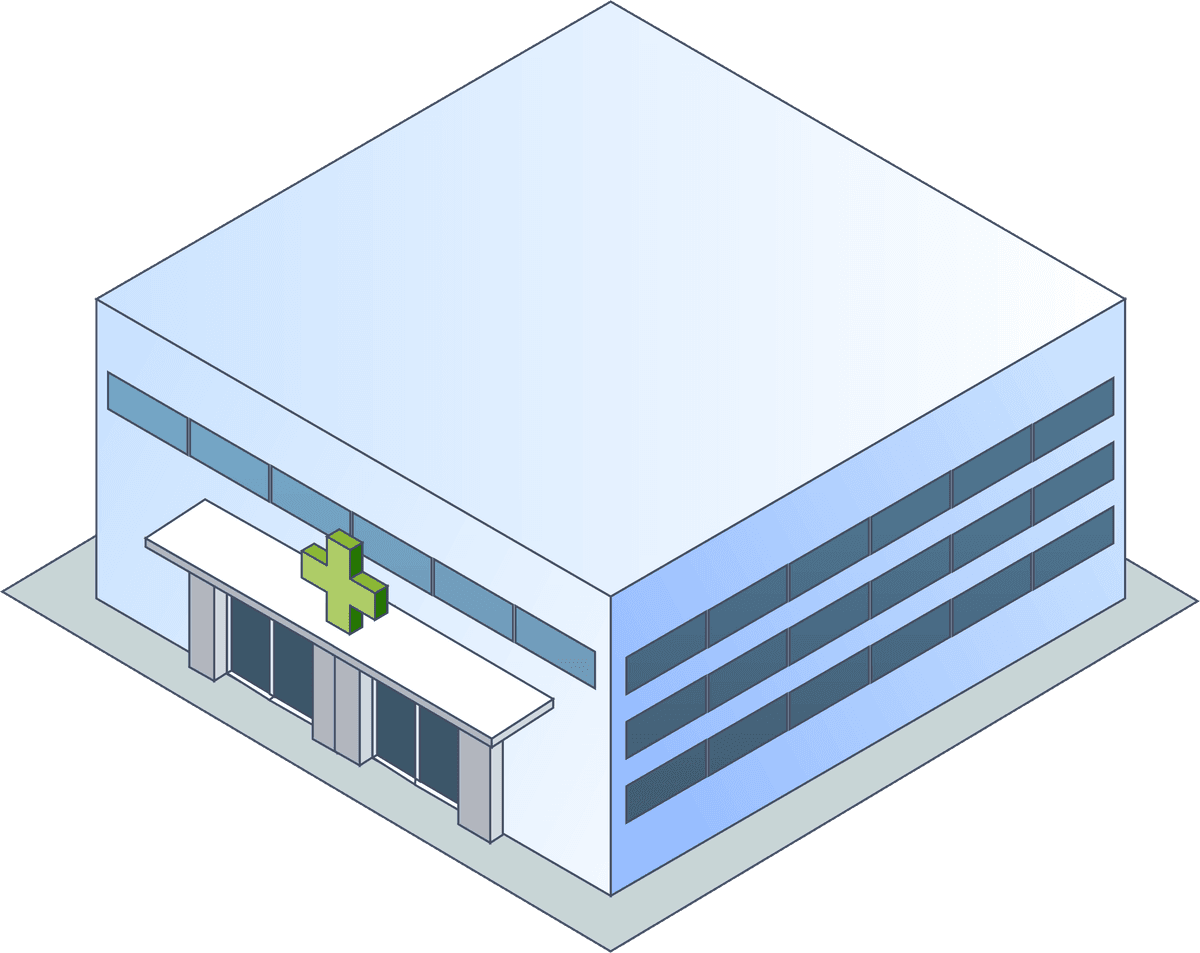
Chest pain is one of the leading reasons for an ED visit. Because the symptom is non-specific, excluding a major adverse cardiac event usually means serial troponin testing and observation, which ties up beds and staff for patients who could have gone home earlier.
Primary care
General practitioners see chest pain constantly and refer a large share of it onward, yet most referred patients turn out not to have serious disease. A reliable tool for outpatient risk assessment would let more of those patients be managed in primary care.
Rural clinics
Where sophisticated equipment and specialist cover are limited, clinicians still have to decide whether a transfer is necessary. A simple, reliable triage tool lets that decision rest on evidence rather than caution alone.
Our approach
Make the safe decision the fast one
aiTriage is built to answer that question at the point of triage: a rapid, non-invasive risk estimate that reduces unnecessary investigation and directs urgent attention to the patients who need it. Our goal is to make it a standard clinical pathway, particularly where resources are limited.
- 01
Speed and simplicity
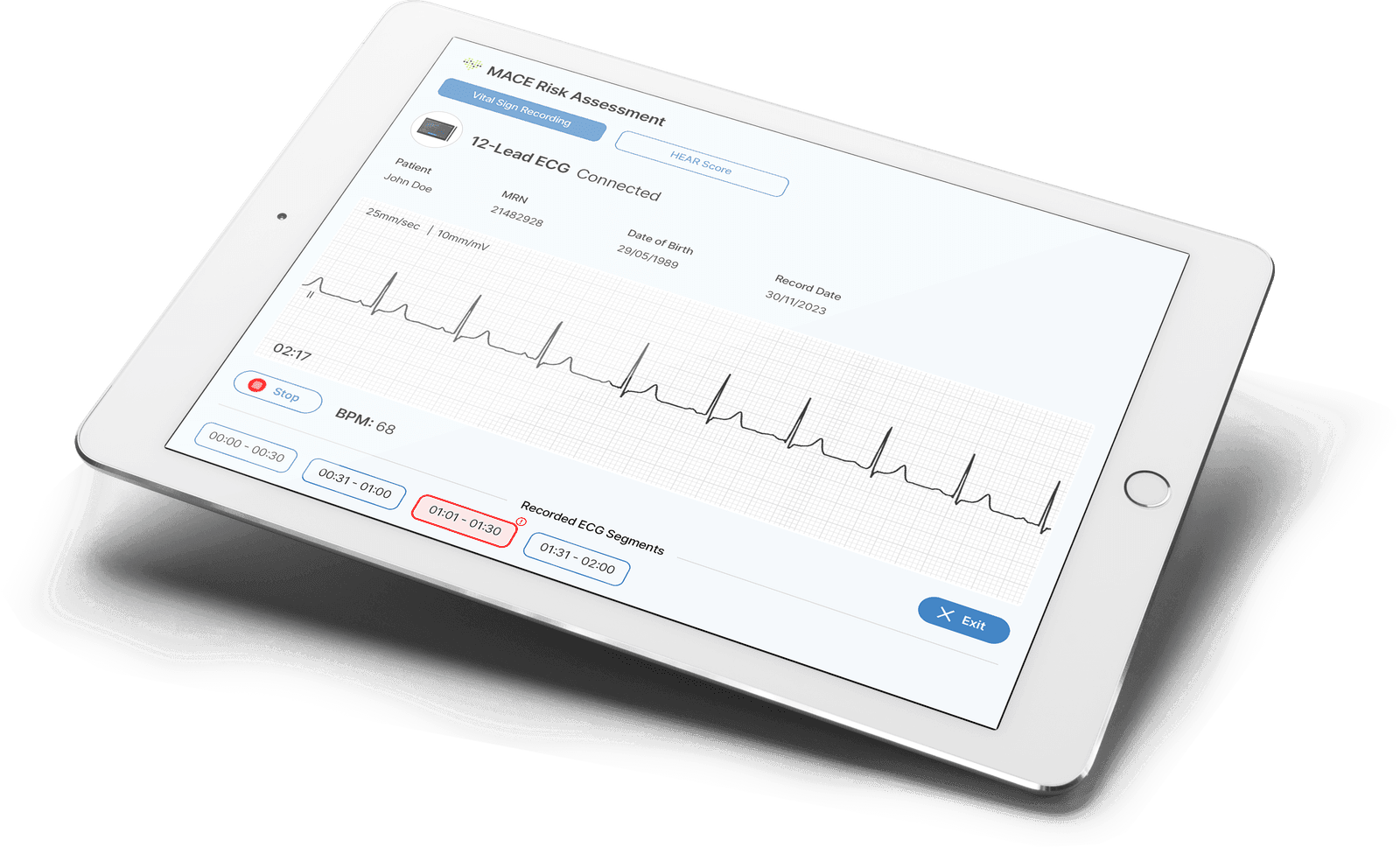
A five-minute ECG recording is enough. Machine learning models return a MACE risk estimate within minutes, with no additional procedures for the patient.
- 02
Accuracy validated in peer-reviewed studies
In peer-reviewed studies, our heart rate variability models have been evaluated against established risk scores such as TIMI, and aiTriage has been validated as comparable to HEART without a troponin test and more accurate with one.
- 03
Fits existing workflows
aiTriage runs on a tablet with a portable ECG device and slots into existing triage steps, from a busy ED to a remote clinic, with minimal setup.
Where we are today
From research programme to cleared medical device
- 19Peer-reviewed publications since 2010Evidence
- 12Clinical and research partnersPartnerships
- 5Clearances and certificatesRegulatory
See how aiTriage answers the question
Walk through a live assessment with our team, or start with the peer-reviewed evidence behind the platform.